How Technology is Transforming the Role of Construction Estimating

March 5, 2026

Discover how modern technology and AI-driven tools are transforming construction estimating by improving accuracy, automating takeoffs, and helping contractors create faster, more competitive project bids.
Accurate estimating has always been at the heart of successful construction projects. Whether determining material costs, calculating quantities, or projecting labor hours, a reliable estimate can make the difference between a profitable project and one that runs over budget. For contractors, developers, and project managers, estimating is not just a preliminary step it is the foundation that guides decision-making throughout the entire construction lifecycle.
Over the decades, technological advancements have significantly transformed construction estimating. What once relied heavily on manual calculations, paper blueprints, and spreadsheets has evolved into a sophisticated digital ecosystem powered by advanced software, automation, and artificial intelligence. Today’s estimating tools enable construction professionals to work faster, reduce errors, and gain deeper insights into project costs before the first shovel touches the ground.
As the construction industry continues to embrace digital transformation, the role of construction estimators is also evolving. Instead of spending most of their time measuring drawings and performing repetitive calculations, estimators are increasingly focusing on strategic analysis, risk management, and optimizing project outcomes.
The Traditional Construction Estimating Process
For many years, construction estimating was a highly manual and time-consuming process. Estimators would receive printed blueprint sets, often hundreds of pages long, and carefully review them to identify every detail required for cost calculations.
- The process typically involved:
- Reviewing architectural and engineering drawings
- Measuring walls, floors, and structural components manually
- Calculating quantities of materials such as concrete, steel, and drywall
- Estimating labor hours based on project scope
- Inputting data into spreadsheets or estimating software
While this method could produce reliable estimates when done carefully, it also had several limitations. Manual takeoffs were slow, often requiring many hours or even days to complete. Complex projects made the process even more challenging, increasing the likelihood of missed details or measurement errors.
Additionally, estimators frequently needed to recheck calculations multiple times to ensure accuracy. Any changes to the project design meant restarting portions of the takeoff process, which added even more time to the bidding cycle.
These challenges limited the number of bids that construction firms could realistically submit and often created bottlenecks within estimating departments.
The Shift Toward Digital Estimating Tools
The introduction of digital estimating software marked a major turning point for the construction industry. Early digital tools replaced paper drawings with digital files and allowed estimators to perform measurements directly on-screen.
This transition offered several key benefits.
First, digital tools significantly reduced the time needed to complete takeoffs. Estimators could quickly measure distances, areas, and volumes without relying on manual calculations.
Second, digital storage allowed project documents to be organized more efficiently. Teams could access drawings, specifications, and cost databases from a single platform rather than juggling stacks of printed documents.
Third, digital systems improved collaboration. Multiple team members could review estimates, update data, and share insights across departments.
Although these early tools improved efficiency, they still required substantial manual effort. Estimators still needed to trace drawings, interpret symbols, and extract quantities manually. As construction projects continued to grow in size and complexity, the industry began searching for even more advanced solutions.
The Emergence of AI-Driven Estimating Technology
The next major leap in construction estimating has come through artificial intelligence and machine learning technologies. These advanced systems are capable of analyzing construction drawings and automatically extracting relevant information.
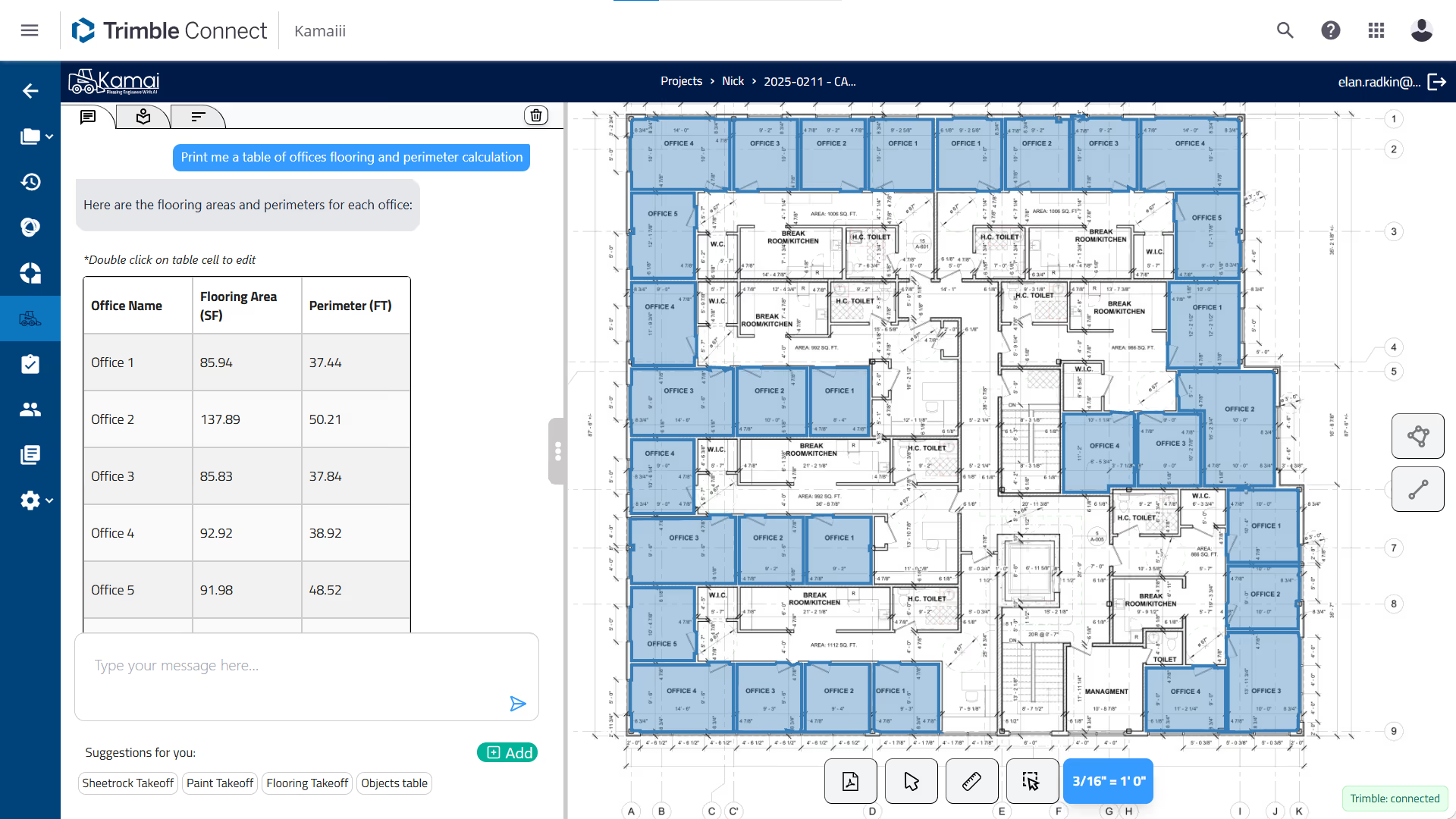
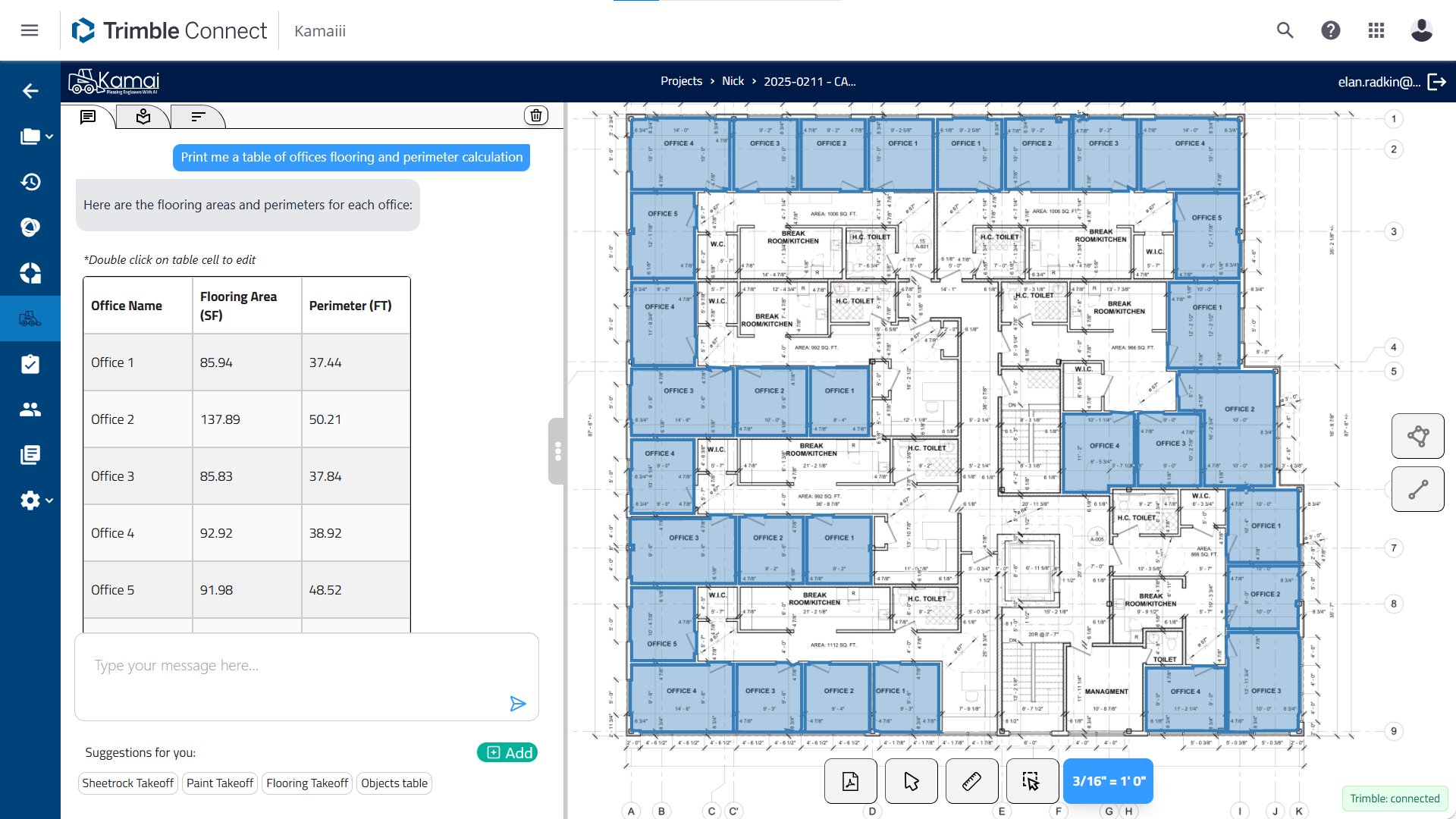
AI-powered estimating platforms can now scan blueprint files, recognize construction elements, and generate quantity takeoffs with minimal human input. Instead of tracing every line and counting every component, estimators can upload project drawings and allow the software to process the data.
This technology provides several powerful advantages.
One of the most important benefits is speed. AI tools can analyze large sets of construction drawings in a fraction of the time required for manual takeoffs. Tasks that previously took hours can now be completed in minutes.
Another key advantage is accuracy. AI algorithms are designed to identify patterns and details within drawings, reducing the risk of overlooked elements or measurement mistakes. This leads to more reliable quantity calculations and better cost predictions.
Additionally, AI systems can continuously improve their performance by learning from previous projects. As more data is processed, the software becomes better at identifying construction components and delivering consistent results.
Turning Blueprints Into Actionable Data
One of the most significant changes brought by modern technology is the ability to transform complex blueprint drawings into structured data.
Traditional blueprint review required estimators to visually interpret every part of a drawing. Today’s advanced software platforms can automatically identify key building elements such as walls, doors, windows, slabs, and structural components.
Once extracted, this information becomes structured project data that can be used throughout the estimating process. Instead of manually building spreadsheets, estimators receive organized quantity reports that can be easily integrated into cost estimation models.
Structured data also enables better forecasting and analytics. Estimating teams can compare current project data with historical performance, evaluate cost trends, and identify potential risks before construction begins.
This transformation from visual drawings to actionable data represents a major step forward in how construction professionals approach project planning.
Improving Accuracy and Reducing Risk
Construction projects involve numerous variables, including fluctuating material costs, labor availability, and evolving design specifications. Inaccurate estimates can create serious financial risks for contractors.
Technology helps reduce these risks by improving the precision and consistency of the estimating process.
Digital tools eliminate many of the manual steps that historically introduced errors. Automated calculations ensure that measurements are accurate and consistent across the entire project scope.
AI-powered takeoff platforms also include quality assurance features that review extracted data and flag potential discrepancies. This additional layer of verification helps estimators catch mistakes early and maintain confidence in their results.
Improved accuracy not only protects project budgets but also strengthens relationships with clients. Contractors who consistently deliver reliable estimates build trust and credibility in a competitive market.
Increasing Estimating Efficiency and Productivity
Speed is another critical advantage of modern construction estimating technology.
In today’s competitive environment, contractors often have limited time to prepare bids. Projects move quickly, and opportunities can be lost if estimating teams cannot respond fast enough.
Advanced estimating platforms significantly accelerate the takeoff and pricing process. By automating repetitive tasks, these tools allow estimators to focus on higher-value work.
Instead of spending hours measuring drawings, estimators can dedicate more time to:
- Analyzing project risks
- Evaluating supplier pricing
- Optimizing construction methods
- Developing competitive bidding strategies
This shift in workflow not only improves productivity but also enables companies to bid on more projects without increasing their estimating staff.
Higher bid volume can lead to greater revenue opportunities and stronger long-term growth.
Enhancing Collaboration Across Project Teams
Construction estimating is rarely an isolated activity. Accurate cost forecasting requires collaboration between multiple stakeholders, including architects, engineers, contractors, and suppliers.
Modern estimating platforms improve communication by centralizing project data and enabling teams to work together in real time.
Cloud-based systems allow users to access project documents, estimates, and takeoff data from anywhere. Team members can review updates, share feedback, and coordinate changes without relying on lengthy email chains or physical meetings.
This level of connectivity helps ensure that everyone involved in the project is working from the same information. It also allows estimating teams to respond more quickly when design revisions occur.
As construction projects continue to grow in complexity, seamless collaboration will become even more important for maintaining efficiency and accuracy.
The Changing Role of the Construction Estimator
As technology automates many traditional estimating tasks, the role of the estimator is evolving.
Rather than simply measuring drawings and compiling numbers, today’s estimators are becoming strategic decision-makers within their organizations.
With advanced software handling much of the data extraction and calculation work, estimators can focus on interpreting results and providing valuable insights to project teams.
This expanded role includes responsibilities such as evaluating cost-saving opportunities, identifying potential construction risks, and advising management on project feasibility.
Estimators are also playing a larger role in early project planning, helping clients understand the financial implications of design choices before construction begins.
Technology does not replace the expertise of construction professionals. Instead, it enhances their capabilities and allows them to deliver greater value to their organizations.
The Future of Construction Estimating Technology
The digital transformation of construction estimating is far from complete. As new technologies continue to emerge, the estimating process will likely become even more advanced and integrated.
Artificial intelligence will continue improving its ability to interpret complex drawings and extract detailed information. Integration with Building Information Modeling (BIM) platforms may further streamline the connection between design and cost estimation.
Predictive analytics could allow estimating systems to forecast potential cost overruns or scheduling challenges before a project even begins.
Additionally, cloud-based collaboration platforms will continue to expand, allowing project teams to work together seamlessly across geographic boundaries.
For construction companies that embrace these innovations, the future holds tremendous opportunities to improve efficiency, accuracy, and competitiveness.
Embracing Technology for Better Construction Outcomes
The transformation of construction estimating represents a major step forward for the industry. Technology has moved the process beyond manual measurements and spreadsheets, introducing powerful digital tools that deliver faster, more accurate results.
By adopting modern estimating solutions, construction companies can streamline their workflows, reduce risk, and position themselves for long-term growth.
More importantly, these technologies allow estimators to focus on strategic decision-making rather than repetitive calculations. This shift enhances the value that estimating professionals bring to every project.
As the construction industry continues evolving, companies that leverage advanced estimating technologies will be better equipped to manage complex projects, submit competitive bids, and deliver successful outcomes for their clients.