10 Benefits of Using Construction Takeoff Software

March 3, 2026

Boost speed and accuracy with Kamai’s construction takeoff software. Automate measurements, reduce errors, collaborate in real time, and deliver faster, more profitable bids with AI-powered precision built for modern construction teams.
In today’s competitive construction landscape, speed and accuracy are no longer optional. Estimators and project managers are expected to deliver precise bids under tight deadlines while juggling multiple projects at once. Manual takeoffs, once considered standard practice, are now a bottleneck that slows down operations and increases the risk of costly errors.
Modern construction takeoff software especially intelligent platforms like Kamai transforms the way teams measure, estimate, and collaborate. By automating repetitive tasks, improving accuracy, and accelerating workflows, digital takeoff tools help construction teams save time and win more profitable projects.
Why Construction Takeoff Software Is a Game-Changer
Manual takeoffs are extremely time-intensive. Measuring directly from paper drawings or static PDFs requires constant recalculations, repeated counting, and cross-checking revisions. Even the most experienced estimator can miss small details when working under pressure.
Construction takeoff software eliminates these inefficiencies. Instead of spending hours measuring and calculating quantities manually, estimators can perform digital takeoffs in a fraction of the time. The result is faster project turnaround, improved productivity, and more accurate bids.
1. Complete Repeating Takeoffs in Seconds
Projects like hotels, apartment buildings, hospitals, dormitories, and schools often include repetitive room layouts. In manual workflows, estimators must measure each room individually even if they are identical.
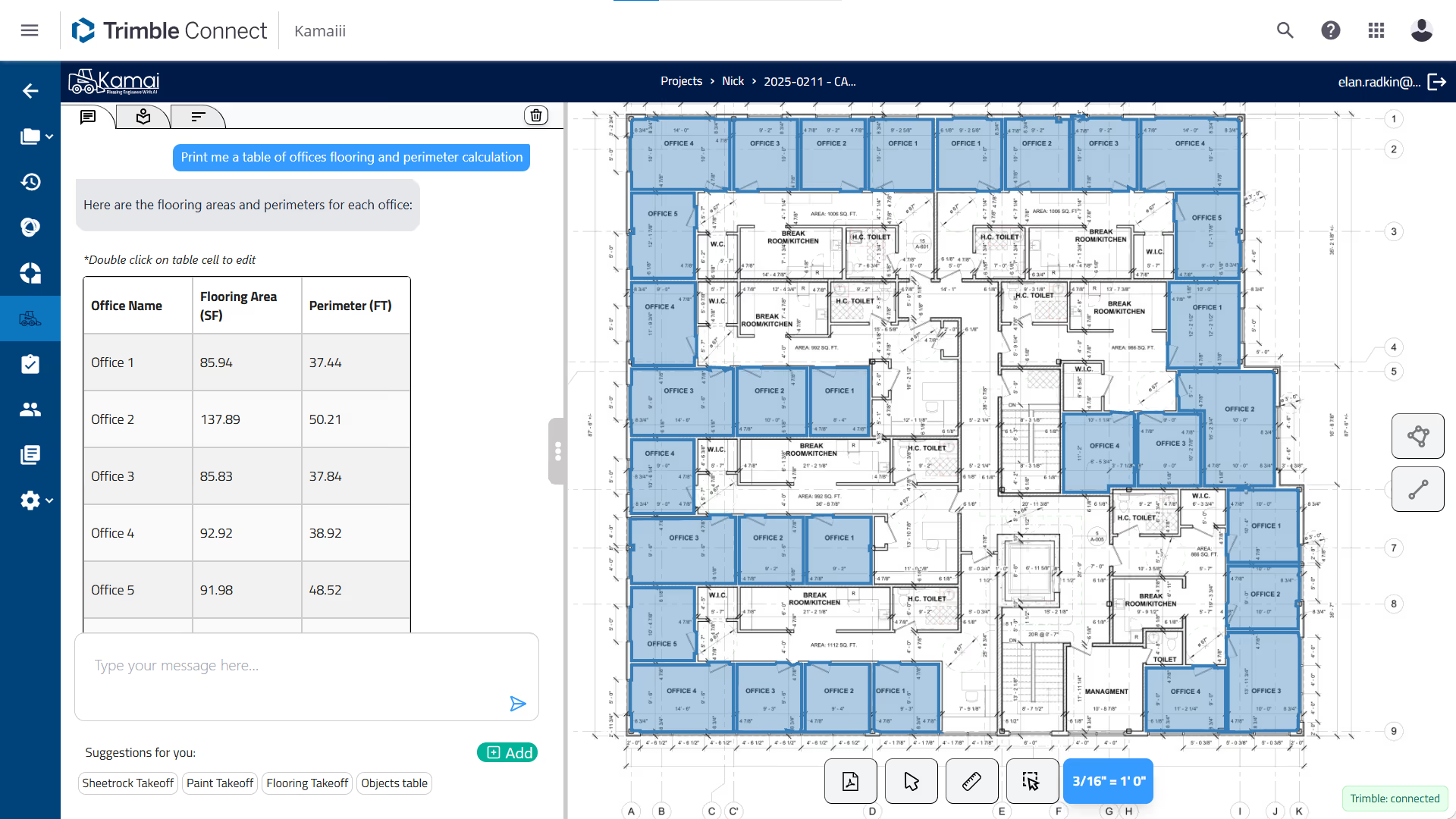
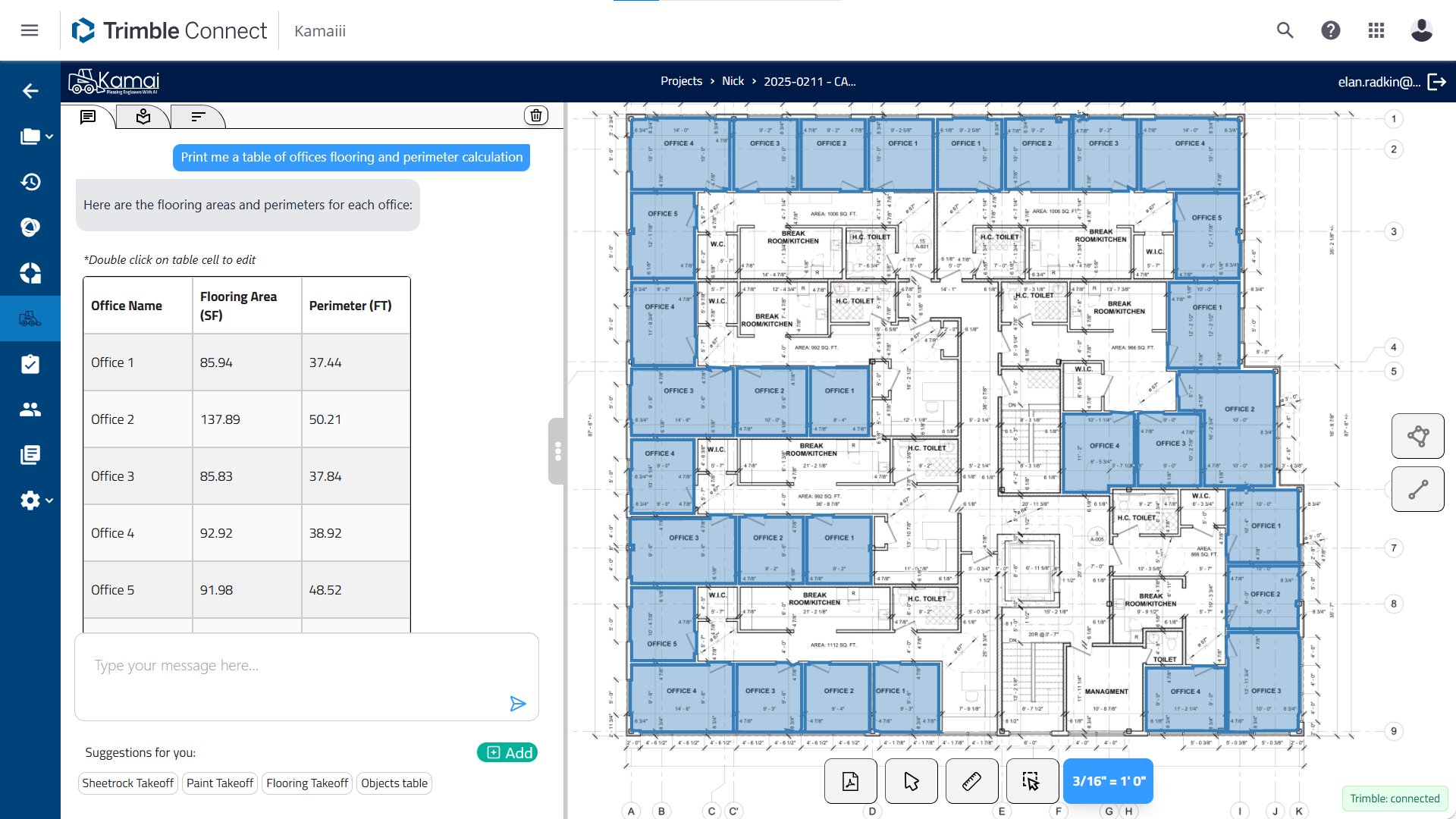
With digital takeoff software, quantities can be calculated once and replicated across identical spaces instantly. This simple capability alone can reduce hours of work on large-scale projects and dramatically increase efficiency.
2. Automate Manual Counting of Objects
Counting doors, windows, plumbing fixtures, electrical outlets, or lighting units manually is tedious and prone to human error. It requires careful scanning of every drawing sheet and increases the likelihood of missed items.
Digital takeoff tools allow users to automate object counting. Instead of manually tallying fixtures across multiple pages, the software identifies and calculates quantities quickly and accurately. This saves time and ensures nothing is overlooked.
3. Simplify Plan Review With Overlays
Comparing drawing revisions manually can be frustrating and time-consuming. If changes are not clearly marked, estimators may spend hours trying to identify differences between versions and still miss something critical.
Construction takeoff software uses overlay features to highlight additions and deletions between drawing revisions. By visually marking changes in different colors, teams can instantly see what has been updated. This prevents costly omissions and speeds up review processes.
4. Measure Multiple Items in One Pass
In manual workflows, measuring walls, ceilings, and floors requires separate calculations. That means repeating the same process multiple times for each room, hallway, and section of the building.
With digital takeoff software, estimators can select multiple objects and measure them simultaneously. The system calculates surface areas, perimeters, and volumes in one pass. For multi-trade contractors, this is a massive time saver that improves workflow efficiency across disciplines.
5. Improve Productivity Through Standardized Processes
Digital takeoffs create a reliable and repeatable system for measuring quantities. Most construction takeoff platforms allow users to create custom templates, digitizations, and frequently used conditions.
By standardizing processes within the software, estimating teams can complete projects faster and maintain consistency across bids. Instead of reinventing workflows for each project, teams follow predefined procedures that streamline operations and improve output.
6. Free Up Time to Focus on Strategic Estimating
Manual takeoffs consume valuable time that could be spent analyzing job costs and refining bid strategies. When estimators are buried in measurement tasks, they have less time to focus on cost optimization, risk assessment, and competitive positioning.
By reducing the time spent on measurements, construction takeoff software allows teams to concentrate on improving estimate quality. This leads to stronger bids and better project outcomes.
7. Enable Real-Time Collaboration Across Teams
Many modern takeoff solutions allow multiple users to work on the same project simultaneously. This collaborative environment enhances communication between estimators, project managers, and stakeholders.
Instead of emailing files back and forth, teams can access shared project data in real time. Integration with estimating, job cost tracking, and project management tools ensures everyone works from the same information set. This reduces confusion and increases alignment.
8. Deliver More Accurate and Profitable Bids
Your bids are only as strong as your takeoffs. Manual methods are vulnerable to errors such as incorrect scale settings, outdated plan sheets, missed addenda, or simple miscalculations.
Digital takeoff solutions eliminate many of these risks. Estimators can easily set drawing scales, manage plan sheets, and calculate precise measurements for areas, volumes, perimeters, and heights automatically. Improved accuracy leads to more reliable estimates and more profitable bids.
9. Gain a Competitive Advantage
Speed matters in competitive bidding environments. The ability to complete takeoffs faster allows contractors to submit bids earlier and with greater confidence.
By leveraging takeoff software, construction teams can build additional time into their workflow to review and refine estimates. Instead of scrambling to meet submission deadlines, teams can approach bids strategically and professionally.
This advantage can significantly improve a company’s bid-win ratio.
10. Reduce Stress and Improve Team Morale
Manual takeoffs are tedious and mentally exhausting. Tight deadlines combined with repetitive tasks increase stress levels and the risk of burnout within estimating teams.
Digital takeoff software simplifies complex processes and reduces pressure. When estimators can rely on automated measurements and organized workflows, they feel more confident in their results. This improved work environment boosts morale and overall team performance.
Final Thoughts on Construction Takeoff Software
Winning more bids starts with better estimates. Better estimates begin with accurate takeoffs. Construction takeoff software dramatically reduces the time required to measure quantities while increasing precision and reliability.
By automating repetitive tasks, improving collaboration, and enhancing accuracy, digital takeoff solutions allow construction teams to work smarter not harder. The time saved on measurements can be reinvested into refining cost strategies, reviewing bids, and expanding business opportunities.
In an industry where efficiency and accuracy determine profitability, adopting construction takeoff software is no longer optional it is essential for staying competitive and achieving long-term success.